Holly Lovly: A Brush Font for Editorial Storytelling
It was a quiet Sunday morning, and I was staring at a blank layout for a new printable planner I was designing. The goal was clear: a sense of calm intention. The body text, a simple, clean sans serif font, was chosen weeks ago. But the cover, the chapter headers, the little moments of emphasis within the pages—they needed something more. They needed a voice. I opened my font library, searching for that perfect Script Handwritten typeface that felt personal, not polished. And that’s when I found Holly Lovly.
How Holly Lovly Creates Authenticity in Editorial Design
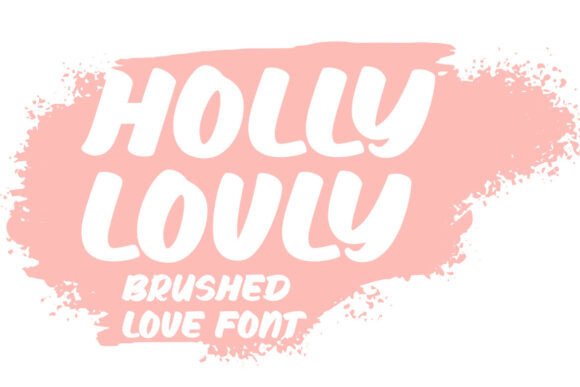
The moment I typed a headline with Holly Lovly Brush Font, the entire mood of the project shifted. This playful and expressive handwritten typeface doesn’t just add text; it adds character. Each stroke feels alive, carrying a natural brush texture that brings an undeniable warmth and charm to the layout. For a blogger or publisher, authenticity is currency. Readers connect with content that feels human, and Holly Lovly Fonts provide that handcrafted touch instantly. It’s the visual equivalent of a personal note at the top of a newsletter or a thoughtful margin note in a digital magazine.
Using Holly Lovly for Blog Headers and Article Titles
In my test layout for a lifestyle blog redesign, I replaced a generic sans-serif header with Holly Lovly. The transformation was immediate. The blog’s name, now rendered in this Script Handwritten font, gained a friendly, approachable quality. It no longer looked like a corporate template; it looked like a space someone cared about. For article titles, especially those about personal stories, DIY projects, or creative pursuits, Holly Lovly acts as a visual cue that the content ahead is relatable and crafted with care. It establishes a tone before the reader even begins the first paragraph.
Designing a Recipe Ebook with Holly Lovly Brush Font
To explore a different use case, I applied Holly Lovly to a simple recipe ebook project. Here, the font’s charm and authenticity became functional. On the cover, the ebook title in Holly Lovly suggested a collection of recipes from a friend’s kitchen, not a sterile database. Inside, I used it for chapter openers (“Breakfast,” “Desserts”) and for pull quotes highlighting a chef’s personal tip. The natural brush texture made the pages feel tactile, even in a digital PDF. This is where Holly Lovly Fonts shine: they inject personality into functional digital products, making a cookbook, a workbook, or a printable guide feel special and worth keeping.
Readability Considerations for Holly Lovly on Screens and in Print
Any premium font chosen for editorial work must pass a readability test. Holly Lovly is, unmistakably, a display font. Its expressive nature means it’s perfect for titles, subtitles, logos, and decorative accents where you need impact and personality. For long-form body copy, you’ll want to pair it with a highly readable serif font or a clean sans serif font. On screens, Holly Lovly retains its texture beautifully at larger sizes, making it ideal for newsletter headers, social media graphics, and website banners. In print, for things like wedding guides or magazine feature pages, it adds a luxurious, artisan quality. Always test your layouts on mobile and preview PDF exports to ensure the brush strokes remain clear and legible at your chosen sizes.
Holly Lovly for Wedding Invitations and Elegant Branding
While testing, I couldn’t resist mock-ing up a wedding invitation suite. The “playful and expressive” description of Holly Lovly Brush Font might suggest informality, but its natural texture also carries a refined elegance. For a wedding guide or invitation, it brings a soft, personal warmth that standard calligraphy fonts often lack. It feels modern and sincere. This extends to elegant branding for small businesses—a boutique’s logo, a coach’s workbook cover, an author’s website header. Holly Lovly Fonts can anchor a brand identity with charm and authenticity, setting a tone that is both professional and deeply human.
Practical Font Pairing with Holly Lovly
For my planner project, I paired Holly Lovly with a classic serif font for body text and a minimal sans serif for captions and labels. This is a reliable triad for editorial design. The Script Handwritten font provides the emotional hook, the serif font ensures comfortable reading for long passages, and the sans serif adds clean structure. This pairing works across mediums: a digital magazine layout, a course PDF, a feature article page. Before finalizing any design, check Holly Lovly’s included styles. Does it have alternates or ligatures for a more custom look? What about multilingual support for broader audiences? And crucially, verify its commercial font licensing for use in templates, paid newsletters, or client publications.
Building Visual Hierarchy with a Handwritten Typeface
The ultimate goal of thoughtful font choice is to guide the reader’s eye and heart. Holly Lovly excels at creating visual hierarchy. In a digital magazine layout, you might use it for the cover headline, a featured article title, and a single, powerful pull quote inside. These strategic touches create moments of emphasis, slowing the reader down and inviting them to engage. The font’s rhythm and mood—its playful bounce, its textured strokes—direct attention in a way that feels organic, not algorithmic. For bloggers and publishers, this is how you build a better reading experience: by using design, and fonts like Holly Lovly, to communicate not just information, but intention.
Closing my test files, the blank planner now felt complete. The headers written in Holly Lovly Brush Font gave it a soul. It wasn’t just a productivity tool; it was an invitation to a calmer, more intentional practice. That’s the power of this typeface. It doesn’t shout; it whispers with warmth. It doesn’t demand attention; it earns it with charm. For anyone crafting content that aims to connect—a blog, an ebook, a newsletter, a brand—Holly Lovly offers a genuine voice. It turns a layout into a story, and a page into a place the reader wants to stay.